
Share

The spine supports the entire body, allowing movement, flexibility, and stability. Yet, when pain strikes the back or neck, it can interrupt even simple daily activities. Spine conditions can range from mild discomfort to severe chronic pain that affects quality of life. Over the past few decades, the field of interventional pain management has made significant progress, offering patients non-surgical and minimally invasive options for relief.
Let’s explain the modern approaches to spine and pain management, common spinal conditions, and how today’s treatments aim to restore comfort and mobility.
Understanding Spine Conditions
Spine conditions can affect any part of the spinal column—cervical (neck), thoracic (mid-back), or lumbar (lower back). They often result from injury, age-related wear, poor posture, or underlying medical problems. The most common causes of spine pain include herniated discs, degenerative disc disease, spinal stenosis, and facet joint arthritis.
A herniated disc occurs when the soft inner material of a spinal disc pushes out through a tear in its outer layer, pressing on nearby nerves. Degenerative disc disease is caused by the gradual breakdown of discs over time, leading to stiffness and pain.
Spinal stenosis refers to the narrowing of the spinal canal, which puts pressure on the spinal cord or nerves. Facet joint arthritis, on the other hand, results from inflammation or damage in the small joints that connect the vertebrae. Recognizing the cause of spine pain is the first step toward finding effective treatment.
The Role of Interventional Pain Management
Interventional pain management focuses on identifying the pain source and using targeted treatments to reduce or block it. These procedures are often performed under imaging guidance, making them precise and effective. Unlike traditional pain medication, which only masks the pain, interventional methods address the root cause.
Common procedures include nerve blocks, epidural steroid injections, radiofrequency ablation, and spinal cord stimulation. These treatments are typically performed on an outpatient basis, meaning patients can go home the same day. By reducing pain signals sent to the brain, they help patients regain function and improve mobility.
Diagnostic Techniques in Spine Care
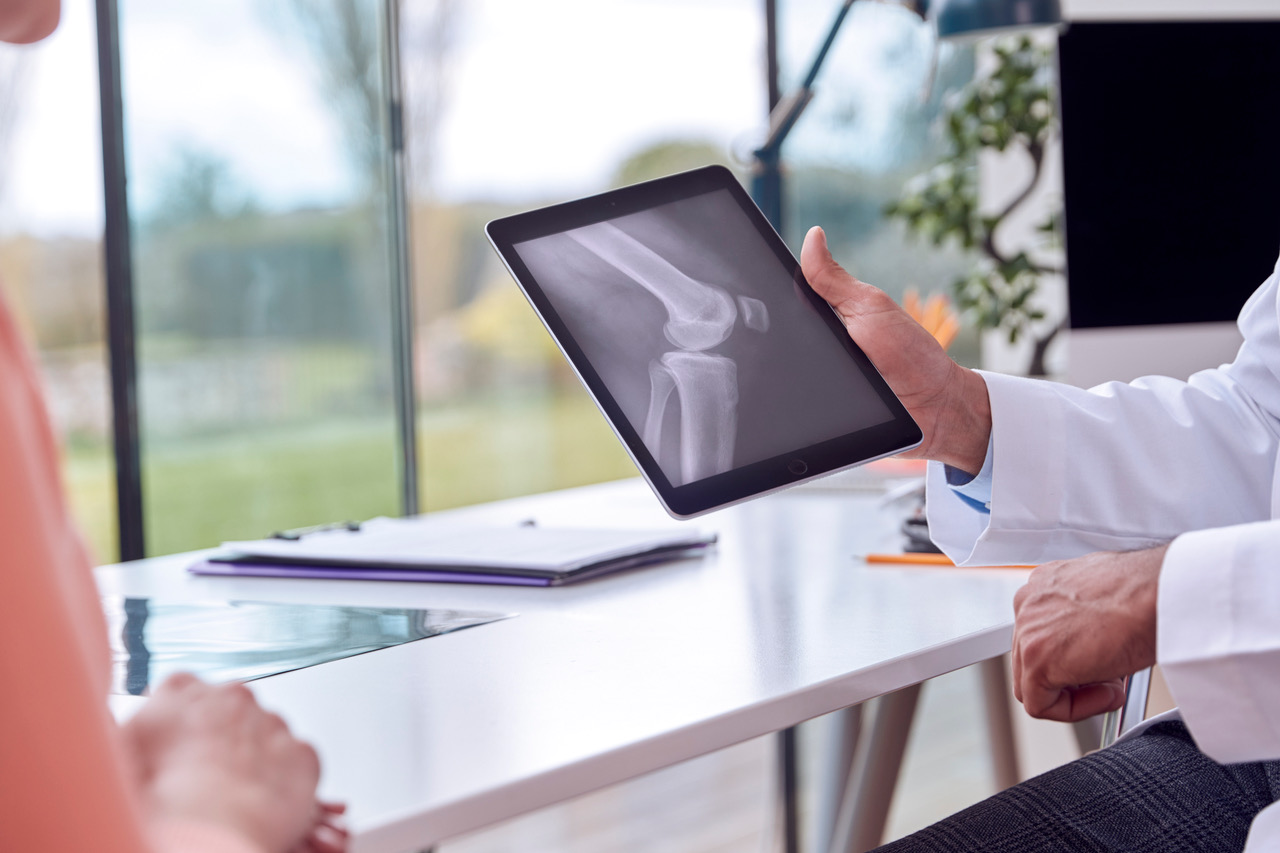
Accurate diagnosis is vital for effective treatment. Modern spine care combines physical assessments with advanced imaging tools such as MRI, CT scans, and fluoroscopy. These technologies help doctors identify the exact cause and location of pain.
In some cases, diagnostic nerve blocks are used. These temporary injections help determine which nerve or joint is responsible for the pain. Once identified, doctors can recommend a long-term treatment plan that targets the right area.
Minimally Invasive Procedures for Pain Relief
Minimally invasive spine procedures have changed how patients experience pain treatment. These methods use small incisions, specialized instruments, and imaging technology to treat painful areas without major surgery.
Epidural Steroid Injections: These injections deliver anti-inflammatory medication into the epidural space around the spinal nerves. They are effective for conditions like herniated discs, spinal stenosis, and sciatica.
Facet Joint Injections: When pain originates from the small joints between vertebrae, facet joint injections can provide relief. These injections reduce inflammation and improve flexibility.
Radiofrequency Ablation: This technique uses heat to interrupt pain signals from specific nerves. The results can last for several months or longer, offering a longer break from chronic discomfort.
Spinal Cord Stimulation: For patients with ongoing nerve-related pain, spinal cord stimulators deliver mild electrical impulses that modify pain signals before they reach the brain. This method is especially helpful for those who have not responded to other treatments.
Non-Surgical Therapies for Spine Pain
While interventional treatments are effective, they are often combined with non-surgical therapies to promote long-term recovery. Physical therapy helps strengthen supporting muscles, improve posture, and restore range of motion.
Pain management programs may also include stretching exercises, ergonomic training, and controlled activity to prevent future flare-ups. In some cases, medications are used for short-term relief, especially during acute pain episodes.
Lifestyle modifications play a key role as well. Maintaining a healthy weight, staying active, and avoiding prolonged sitting can reduce strain on the spine. Patients who follow a consistent care plan often experience better and longer-lasting results.
Advancements in Modern Pain Management
Modern pain management continues to evolve with improved techniques and technology. Image-guided precision, better medications, and minimally invasive tools have made procedures safer and more effective. Many treatments that once required hospital stays are now performed in outpatient settings with faster recovery times.
Another significant advancement is the use of regenerative medicine. Procedures such as platelet-rich plasma (PRP) and stem cell therapy are being studied for their potential to repair damaged tissue and promote healing in certain spinal conditions. Although these treatments are still developing, early results are promising for some patients with chronic spine pain.
Importance of Personalized Care
Every patient experiences pain differently. The same condition can cause varying levels of discomfort depending on lifestyle, physical activity, and medical history. That’s why modern spine and pain management programs emphasize personalized treatment plans.
Physicians evaluate each patient’s condition through diagnostic testing, medical history, and physical examination before designing a tailored approach. This may involve a combination of injections, therapy, and ongoing monitoring to achieve the best outcome.
Personalized care not only helps manage pain effectively but also improves overall quality of life. By addressing individual needs, patients can regain mobility and return to normal activities with confidence.
When to Seek Professional Help
Persistent back or neck pain should never be ignored, especially if it affects daily tasks or sleep. Symptoms such as numbness, tingling, or weakness in the arms or legs could signal nerve involvement and require immediate evaluation.
Early diagnosis and treatment can prevent a temporary condition from becoming chronic. Consulting a pain management specialist allows patients to explore non-surgical and interventional options before considering more invasive procedures.
Don’t let spine pain hold you back from the activities you enjoy. At Mobility Bone & Joint Institute, our specialists use advanced interventional techniques and personalized treatment plans to help you move with comfort and confidence again. Schedule your consultation today and discover modern solutions for lasting spine health.
If you're experiencing tingling, numbness, or weakness in your limbs, it could be a sign of nerve compression. Fortunately, there are effective treatments and therapies available to manage these conditions.

If you're experiencing tingling, numbness, or weakness in your limbs, it could be a sign of nerve compression. Fortunately, there are effective treatments and therapies available to manage these conditions.

If you're experiencing tingling, numbness, or weakness in your limbs, it could be a sign of nerve compression. Fortunately, there are effective treatments and therapies available to manage these conditions.
If you're experiencing tingling, numbness, or weakness in your limbs, it could be a sign of nerve compression. Fortunately, there are effective treatments and therapies available to manage these conditions.