
Share

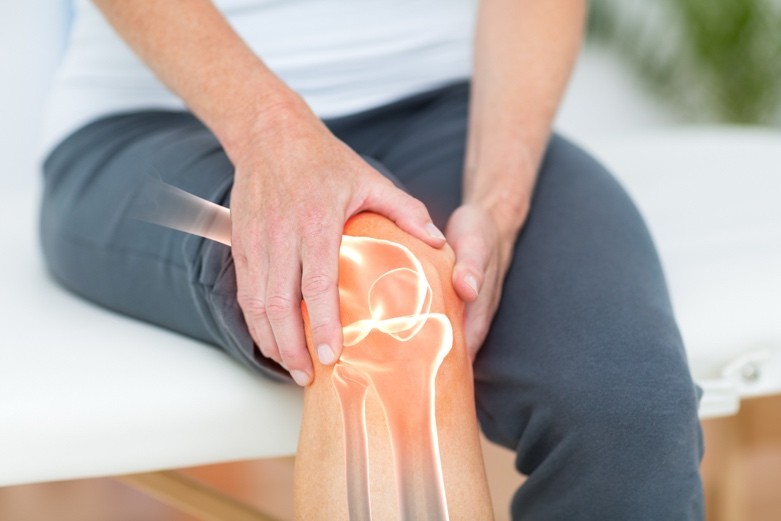
Shifts in weather often bring changes to the environment, but they can also bring noticeable changes to the human body. For many people, colder days or sudden drops in temperature lead to stiffness or aching in the joints. This isn’t just a feeling—it has a physical basis and affects a large number of people, especially those with arthritis or chronic joint problems.
Here’s how seasonal weather changes impact joint health, what factors may be involved, and how people can manage this pain more effectively.
What Is Weather-Related Joint Pain?
Joint pain that gets worse during certain weather conditions is real. Many people notice this during colder months or just before a storm. While the exact cause is still being studied, medical experts believe it is linked to changes in barometric pressure, temperature, and humidity. These changes may affect the tissues around the joints and increase discomfort.
Colder weather often leads to joint stiffness. Muscles become tighter when they are cold, and this limits movement. People with arthritis may notice that their symptoms get worse in winter, making even simple tasks more difficult.
Studying the Role of Barometric Pressure
Barometric pressure is the force exerted by the weight of the atmosphere. When this pressure drops, as it often does before a storm or during cold weather, it can lead to changes in how tissues behave. Some researchers believe that a pressure drop allows joints to expand slightly, which puts stress on nerves and leads to pain.
This effect is especially noticeable in joints that are already inflamed. The tissues may swell more easily, and fluid movement may become restricted. As a result, people experience more stiffness and reduced mobility during these changes in pressure.
Exploring the Impact of Cold Temperatures
Cold air can slow down blood flow to the limbs, especially in the hands and feet. This makes joints and muscles feel tight or heavy. The colder it gets, the harder it is for the body to stay flexible. The body tries to keep warm by limiting blood supply to the outer layers, which affects the muscles and joints.
Additionally, when the body is cold, people tend to move less. Lack of movement can reduce joint lubrication, which can lead to friction between bones. This may increase discomfort and pain, especially in people with osteoarthritis.
Recognizing the Effects of Humidity and Rain
Humidity, especially when combined with colder weather, may increase joint pain for some people. Though this connection is less studied than cold or pressure changes, it still affects how the body feels. Damp air may increase swelling and fluid retention in joints, causing more stiffness.
Rainy or humid days can also affect mood and energy levels, which makes physical discomfort feel more intense. People with joint conditions often report that their pain feels worse before rain or during long periods of damp weather.
Connecting Weather and Inflammatory Conditions
People with rheumatoid arthritis and other inflammatory joint diseases may find their symptoms worsen during seasonal changes. These conditions involve an overactive immune system, and external changes like cold or dampness may act as triggers.
Seasonal shifts may also influence vitamin D levels. In winter, people get less sun exposure, which may lower the body’s ability to absorb calcium and keep bones healthy. This drop may add to joint discomfort, especially in people already at risk for bone thinning.
Addressing Joint Pain During Seasonal Changes
There are several ways to reduce the impact of weather-related joint pain. Gentle physical activity helps keep joints moving and improves circulation. Even a short walk or light stretching can make a noticeable difference in joint flexibility.
Staying warm is another helpful step. Wearing layers, using warm blankets, and keeping indoor temperatures stable can prevent muscles and joints from tightening. Applying heat packs to painful joints may also reduce stiffness and offer relief.
Some people find comfort in warm baths or heated pools. Water exercises are low-impact and help reduce pressure on the joints while supporting movement. These small changes in daily routines can support better joint comfort throughout the year.
Choosing Food That Supports Joint Health
A balanced diet supports joint and bone strength. Foods rich in calcium, such as dairy products, leafy greens, and almonds, help keep bones strong. Omega-3 fatty acids from fish or flaxseed may also help manage inflammation.
Staying hydrated is also important, even during colder months when people tend to drink less water. Proper hydration supports the fluid inside the joints and helps with smooth movement.
Maintaining Joint Health with Regular Movement
Keeping the body active year-round is one of the most helpful steps for managing seasonal joint pain. Regular movement reduces stiffness, strengthens muscles around the joints, and supports better posture.
It is important to avoid long periods of inactivity, even during winter. Simple indoor activities like yoga, walking inside malls, or home-based stretching routines can help keep joints flexible and pain levels under control.
When to Seek Medical Support
If joint pain becomes more frequent, lasts longer, or begins to interfere with daily tasks, it is important to speak with a healthcare provider. In some cases, the pain may be a sign of an underlying condition that needs more attention.
Doctors may suggest imaging tests to rule out bone or joint damage or recommend treatments such as physical therapy, medication, or lifestyle changes. These steps can help people stay active and independent, even as seasons change.
Don’t let seasonal joint pain slow you down. At Mobility Bone & Joint Institute, our specialists provide personalized care to help you move with comfort and confidence, no matter the weather. Book your consultation today and take the first step toward lasting relief and better mobility.
If you're experiencing tingling, numbness, or weakness in your limbs, it could be a sign of nerve compression. Fortunately, there are effective treatments and therapies available to manage these conditions.

If you're experiencing tingling, numbness, or weakness in your limbs, it could be a sign of nerve compression. Fortunately, there are effective treatments and therapies available to manage these conditions.

If you're experiencing tingling, numbness, or weakness in your limbs, it could be a sign of nerve compression. Fortunately, there are effective treatments and therapies available to manage these conditions.
If you're experiencing tingling, numbness, or weakness in your limbs, it could be a sign of nerve compression. Fortunately, there are effective treatments and therapies available to manage these conditions.