
Share

As the days get shorter and the weather turns colder, many of us find ourselves going outdoors less often. But staying physically active—even when you’re stuck inside—is critical for maintaining strength, joint health, mood, and overall mobility. For patients of Mobility Bone & Joint Institute, keeping up movement during the fall and winter months can help prevent stiffness, reduce pain, and support recovery from injury or surgery. Here’s why indoor activity matters this time of year—and how you can make it safe, enjoyable, and effective.
Why Indoor Activity Matters
- Joint health & stiffness prevention
Low temperatures often cause joints to stiffen. Without regular movement, cartilage gets less lubrication, and muscles can become tight. Indoor activities keep joints moving, help maintain the strength of surrounding muscles, and reduce discomfort from stiffness. - Pain management
When people are less active, pain—especially from arthritis, joint degeneration, or after surgery—can increase. Gentle movement helps with blood flow, reduces swelling, and can interrupt pain cycles. - Mood & wellbeing
Lack of daylight, chilly weather, and being indoors can contribute to feelings of anxiety or low mood. Physical activity indoors can boost mood, improve sleep, and give a sense of accomplishment. Plus, movement stimulates hormones (like endorphins) that help reduce stress and improve mental health. - Maintaining mobility & preventing loss of function
Suppose you’ve had a joint surgery (hip, knee, shoulder, etc.), or are working with Mobility Bone & Joint’s physical therapy or sports therapy and rehab teams. In that case, consistent movement helps preserve gains you’ve made—so you don’t lose strength, flexibility, or balance over the winter.
Tips for Staying Active Indoors
Here are practical ideas and some guidelines to make indoor exercise safe and beneficial. Always check with your physician or physical therapist at Mobility Bone & Joint Institute before starting a new routine, especially if you have a medical condition, recent injury, or surgery.
Warm up & mobility first
- Begin with gentle range-of-motion exercises: ankle circles, wrist bends, and shoulder rolls.
- Do 5–10 minutes of light activity like marching in place, walking around the room, or gentle dancing, just to get blood flowing.
Strength & resistance exercises
Even small weights or resistance bands are helpful.
- Chair squats or sit-to-stands: Stand up from a chair, then sit back down slowly. Helps with knee and hip strength.
- Wall push-ups: Easier on shoulder joints than floor push-ups, good for the upper body.
- Resistance band exercises: Seated leg presses, bicep curls, and shoulder abductions.
Flexibility & stretching
- Hamstring stretches, calf stretches, and gentle hip flexor or quad stretches.
- Yoga or Pilates-inspired movements to improve core stability, flexibility, and balance.
Balance & coordination
- Tandem stance (heel-to-toe stand) or single-leg stands (holding onto something if needed).
- Step and reach drills: step forward or sideways and reach arms, then step back.
Low-impact cardio indoors
You don’t need a treadmill to get your heart rate up. Try:
- Marching or walking in place.
- Climbing stairs or step-ups (if safe).
- Dancing to favorite music.
- Seated cardio options if standing is difficult: seated march, seated punches.
Safety Considerations
- Footwear: Even indoors, wear supportive, non-slip shoes.
- Surface: Avoid rugs that slip, and keep the area clear of clutter.
- Pacing: Start slow. If you feel pain beyond what’s normal, stop and rest.
- Pain & swelling: Ice, compression, rest, and elevation may help if you overdo it. Always follow the post-op or rehab instructions provided by your physical therapist or provider.
- Stay hydrated even in cooler weather.
Making It a Habit
- Set realistic goals: 10-15 minutes a day is better than nothing; gradually increase.
- Create a schedule: Pick times of day when you have more energy.
- Mix it up: Combine strength, stretching, balance, and low-impact cardio so you don’t get bored.
- Use what you have: Water bottles, resistance bands, towels, and chairs all work as equipment.
How Mobility Bone & Joint Institute Supports You
At Mobility Bone & Joint Institute, our mission is holistic, patient-centered care. We offer a range of specialties, including sports therapy and rehab; hip and knee, shoulder and elbow, foot and ankle, fracture care, hand and wrist, spine, and interventional pain management.
If you are recovering from surgery, managing arthritis, or dealing with bone, joint or muscle pain, our team of specialists—including physicians, physical therapists, and sports rehabilitation experts—can design a safe, personalized indoor activity plan suited to your needs.
Final Thoughts
You don’t need perfect weather or fancy equipment to stay active. Maintaining movement through colder months helps protect your joints, improve your mood, and preserve the strength and mobility you rely on every day. With thoughtful, consistent indoor exercise—and support from your medical or rehab team—these months can become a time of growth rather than stagnation.
Contact Mobility Bone & Joint Institute today. Our providers are ready to work with you to keep you moving comfortably, safely, and confidently through the cooler months. Book an appointment or reach out by phone. Don’t wait—your mobility and wellbeing are worth it.
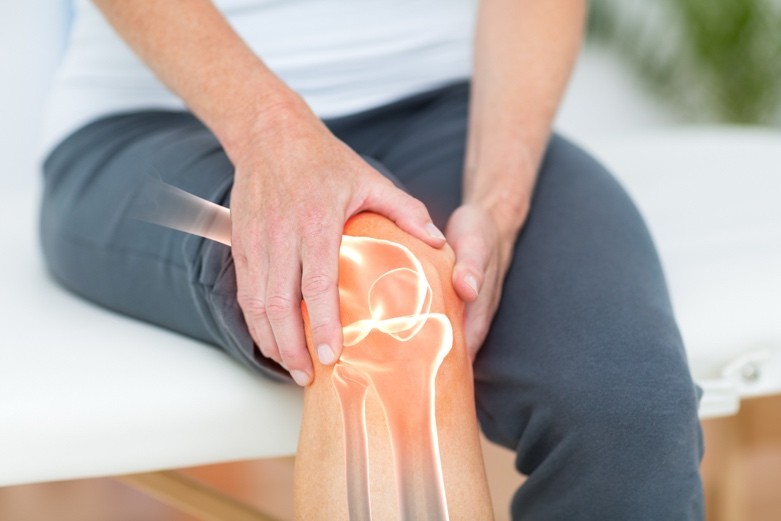
If you're experiencing tingling, numbness, or weakness in your limbs, it could be a sign of nerve compression. Fortunately, there are effective treatments and therapies available to manage these conditions.

If you're experiencing tingling, numbness, or weakness in your limbs, it could be a sign of nerve compression. Fortunately, there are effective treatments and therapies available to manage these conditions.
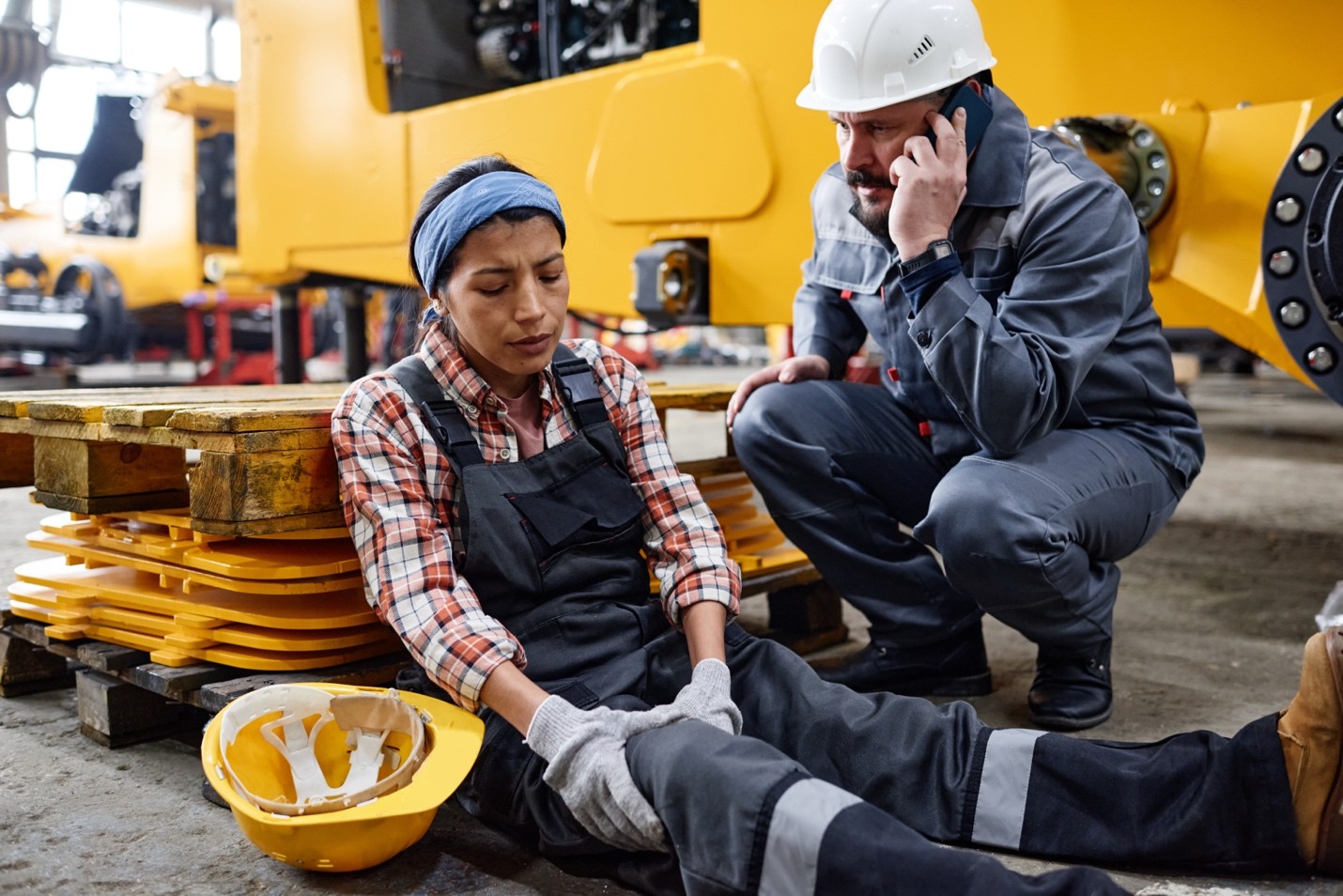
If you're experiencing tingling, numbness, or weakness in your limbs, it could be a sign of nerve compression. Fortunately, there are effective treatments and therapies available to manage these conditions.
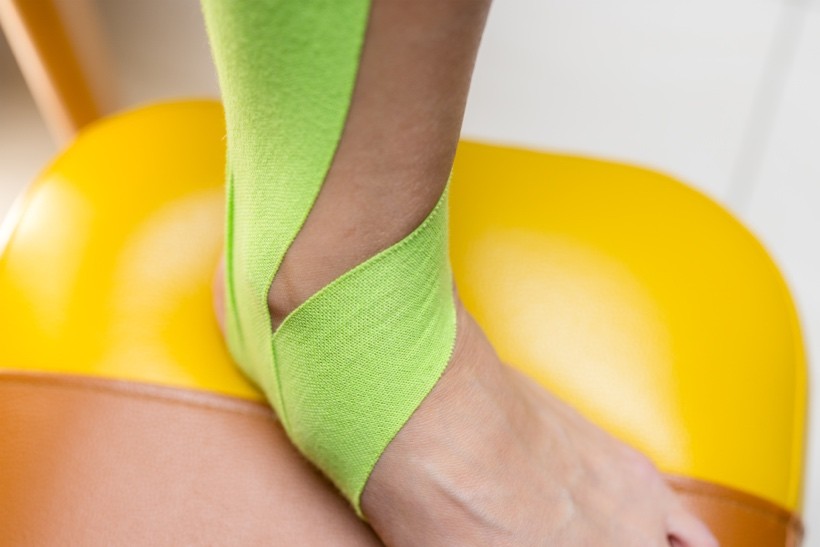
If you're experiencing tingling, numbness, or weakness in your limbs, it could be a sign of nerve compression. Fortunately, there are effective treatments and therapies available to manage these conditions.