
Share
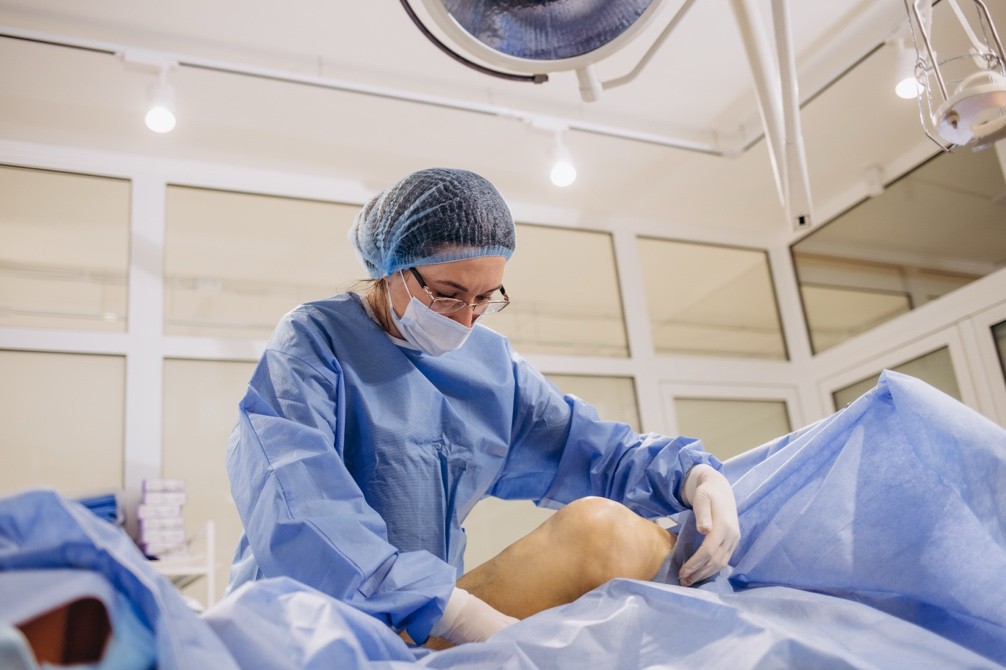
Orthopaedic injuries impact individuals of all ages, including athletes, active adults, and those with age-related or accidental joint issues. While many conditions respond to conservative treatments such as physical therapy, medication, or rest, some require surgery to restore mobility, reduce pain, and avert complications. At Mobility Bone & Joint Institute, our specialists thoroughly assess each patient to determine if surgery is the best option for long-term recovery and improved quality of life.
Understanding Orthopaedic Injuries
Orthopaedic injuries affect the bones, joints, muscles, ligaments, tendons, and other structures of the musculoskeletal system. They may result from sudden trauma or develop progressively due to repetitive stress. Common conditions that may require surgery include:
• Torn ligaments, including ACL tears
• Severe fractures or broken bones
• Rotator cuff tears in the shoulder
• Meniscus tears and cartilage damage
• Spinal conditions causing nerve compression
• Advanced arthritis affecting joint function
• Chronic tendon injuries
• Joint instability or recurrent dislocations
Some injuries improve with non-surgical treatment, while others may continue to cause pain, weakness, or limited mobility despite conservative care.
When Non-Surgical Treatments Are Not Enough
At Mobility Bone & Joint Institute, we focus on conservative treatment options before considering surgery. Non-surgical care may include:
• Physical therapy to improve strength and flexibility
• Anti-inflammatory medications for pain management
• Bracing or supportive devices
• Activity modification and guided rest
• Corticosteroid or regenerative medicine injections
These treatments can successfully relieve symptoms for many patients. These treatments often relieve symptoms, but surgery may be necessary if symptoms persist, worsen, or hamper daily activities.
Patients should think about consulting an orthopaedic specialist if they experience:
• Persistent pain that does not get better after treatment
• Joint instability or repeated injuries
• Difficulty walking, standing, or bearing weight
• Severe stiffness or loss of motion
• Numbness, weakness, or nerve-related symptoms
• Injuries preventing return to work, sports, or normal activities
Early evaluation helps prevent further joint damage and supports a faster recovery.
Common Orthopaedic Surgeries
Modern orthopaedic surgery uses advanced techniques to repair damaged structures while lessening recovery time. Depending on the injury, procedures may include:
Arthroscopic Surgery
Minimally invasive arthroscopy enables surgeons to diagnose and treat joint injuries through small incisions and specialized instruments. This approach is commonly used for knee, shoulder, ankle, and hip injuries, including ligament tears and cartilage damage.
Fracture Repair Surgery
Severe fractures may require surgical stabilization with plates, screws, rods, or pins to ensure proper bone alignment and healing.
Joint Replacement Surgery
For advanced arthritis or severe joint damage, joint replacement surgery can restore function and reduce chronic pain. Hip and knee replacements are among the most common procedures for adults with severe joint deterioration.
Spine Surgery
Certain spinal conditions, including herniated discs or spinal stenosis, may require surgery to relieve nerve pressure and improve mobility. Surgery goes beyond the operating room. Rehabilitation plays an important part in restoring strength, flexibility, balance, and overall function. At Mobility Bone & Joint Institute, we provide individualized recovery plans designed to help patients heal safely and return to their normal routines as efficiently as possible.
Healing durations depend on the injury, the procedure, and the patient’s health. Our specialists collaborate closely with patients to track healing and guide rehabilitation.
Expert Orthopaedic Care at Mobility Bone & Joint Institute
At Mobility Bone & Joint Institute, we are dedicated to helping patients recover from orthopaedic injuries with personalized, comprehensive care. Whether you have a sports injury, chronic joint pain, or a traumatic fracture, our experienced team will decide the primary treatment option for your condition.
If pain, instability, or limited mobility is affecting your quality of life, seeking professional orthopaedic evaluation can help identify whether surgical or non-surgical treatment is the best path toward long-term recovery, improved function, and a healthier, more active lifestyle.
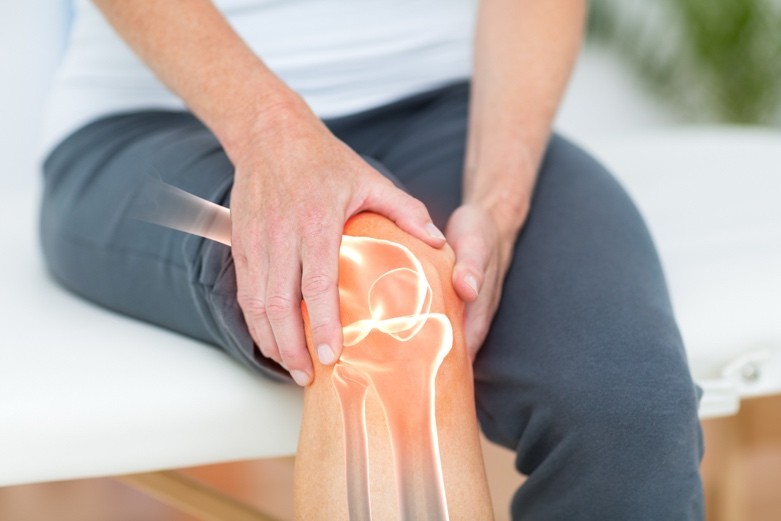
If you're experiencing tingling, numbness, or weakness in your limbs, it could be a sign of nerve compression. Fortunately, there are effective treatments and therapies available to manage these conditions.
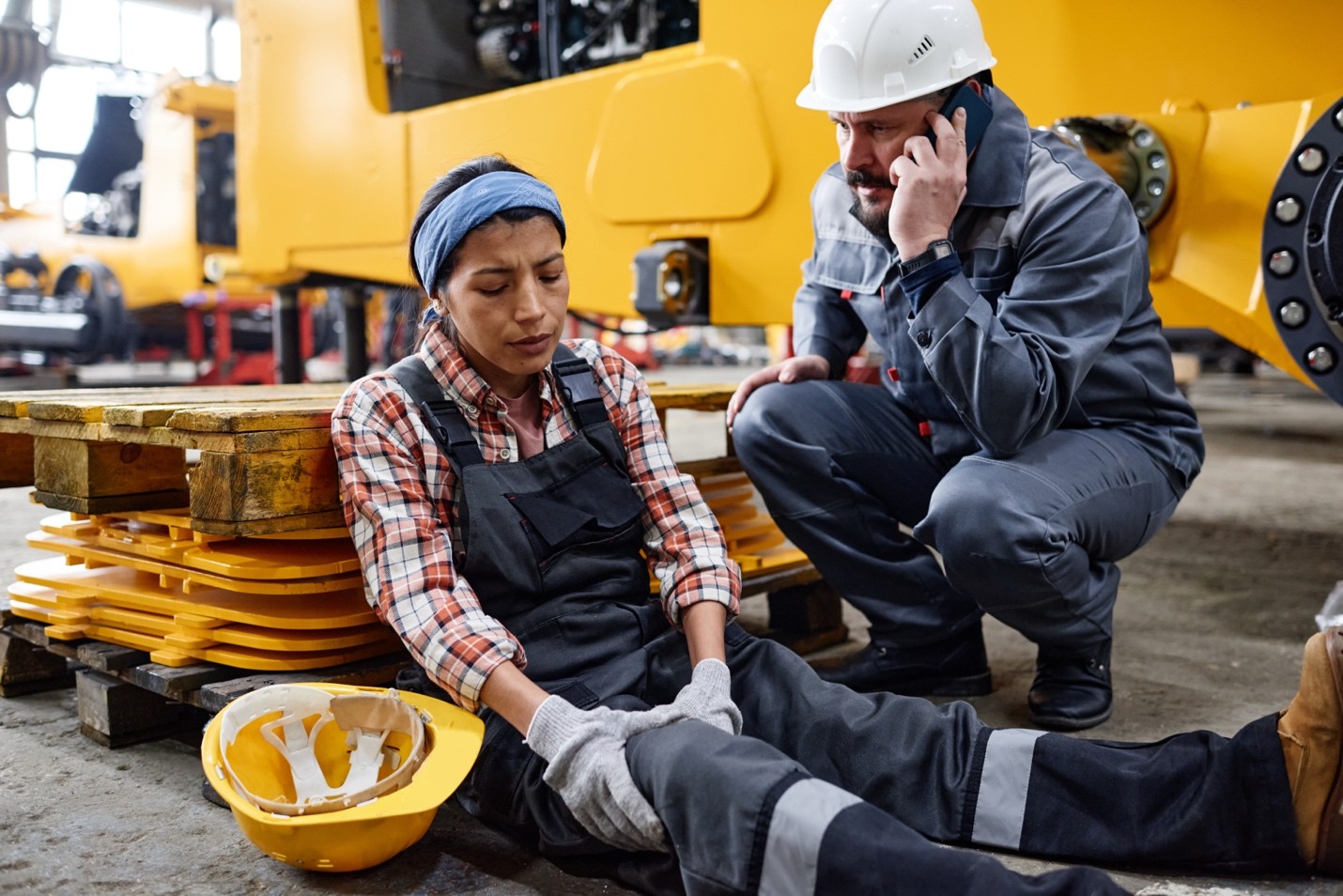
If you're experiencing tingling, numbness, or weakness in your limbs, it could be a sign of nerve compression. Fortunately, there are effective treatments and therapies available to manage these conditions.
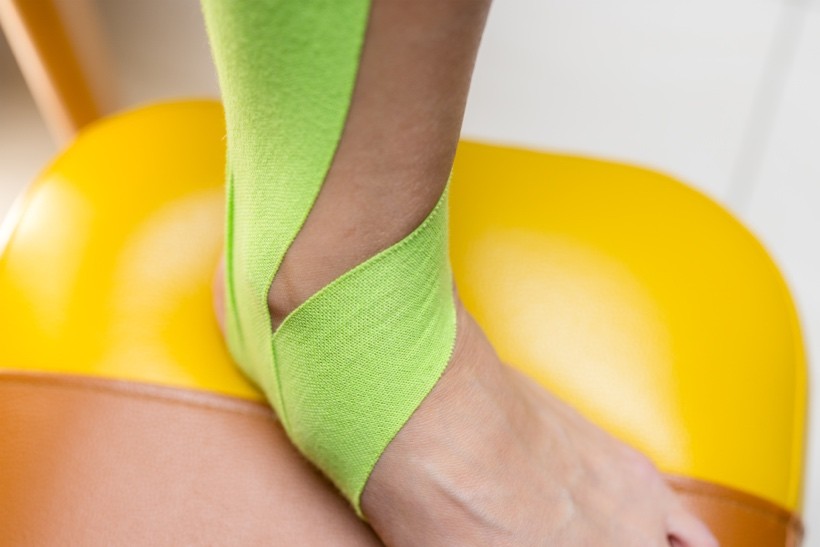
If you're experiencing tingling, numbness, or weakness in your limbs, it could be a sign of nerve compression. Fortunately, there are effective treatments and therapies available to manage these conditions.
If you're experiencing tingling, numbness, or weakness in your limbs, it could be a sign of nerve compression. Fortunately, there are effective treatments and therapies available to manage these conditions.