
Share

Workplace injuries may occur suddenly or develop gradually, affecting your ability to work and maintain comfort. Without proper treatment, these injuries can cause pain, reduced mobility, and impaired productivity. At Mobility Bone & Joint Institute, our orthopaedic specialists evaluate and treat work-related injuries while guiding patients through the workers’ compensation process for a safe and efficient recovery.
Understanding Workplace Injuries
Workplace injuries differ based on job and environment. Common conditions include sprains, strains, back and neck injuries, fractures, tendonitis, and joint damage. Repetitive motion injuries, such as carpal tunnel syndrome, are also frequent in roles involving repeated tasks.
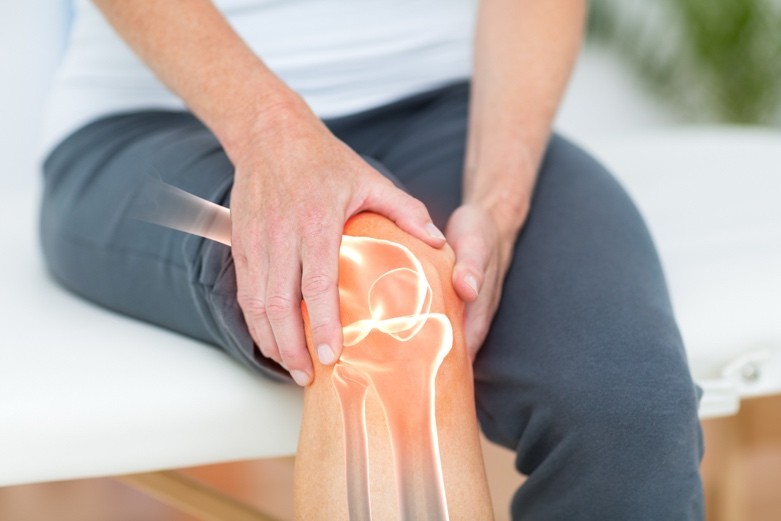
Symptoms often include pain, swelling, stiffness, reduced range of motion, and weakness. Timely diagnosis and intervention are fundamental to preventing injuries from worsening and to supporting full recovery.
Comprehensive Orthopaedic Evaluation
We begin with a thorough orthopaedic evaluation to assess the nature and severity of your injury. Our providers review your medical history, job responsibilities, and the circumstances of the injury.
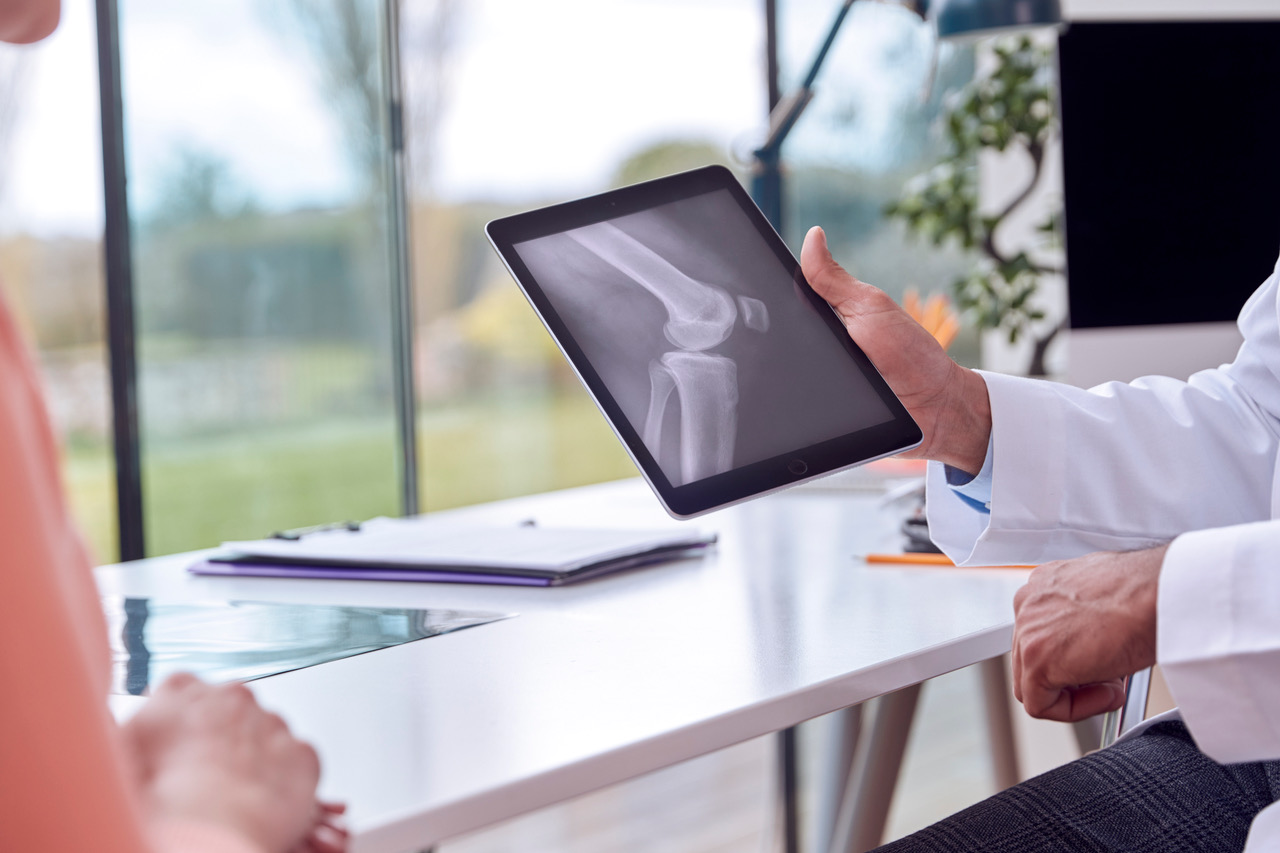
We use state-of-the-art imaging, such as X-rays and MRI scans, to examine structural damage and guarantee an accurate diagnosis. This approach enables us to develop specialized treatment plans that support your recovery goals and workplace needs.
Non-Surgical Treatment Options
Many workplace injuries can be managed with non-surgical treatments, which are commonly the initial step in care. These may include:
· Physical therapy to regain durability, flexibility, and mobility
· Anti-inflammatory medications to reduce pain and swelling
· Activity modification to prevent further injury
· Bracing or splinting for joint support
· Corticosteroid or other targeted injections for pain relief
Non-surgical care aims to promote healing, reduce downtime, and help patients return to work safely and promptly.
Advanced and Surgical Solutions
If conservative treatments are ineffective, surgical treatment may be required. Mobility Bone & Joint Institute provides advanced surgical options, including minimally invasive procedures to repair damaged tissues and restore function.
We recommend surgery only when it is the best option for long-term recovery. Our goal is to help patients regain full mobility and confidently return to daily and professional activities.
Navigating Workers’ Compensation Care
Workers’ compensation claims can be complex. Our team works with patients, employers, and case managers to ensure proper documentation, clear communication, and continuity of care throughout the process.
We provide timely evaluations, detailed reports, and treatment plans that support both medical recovery and return-to-work goals.
When to See an Orthopaedic Specialist
You should seek orthopaedic care if your workplace injury:
· Causes persistent or worsening pain
· Limits your ability to perform job duties
· Results in swelling, stiffness, or instability
· Does not improve with rest or basic treatment
Early care helps prevent further damage and supports a smoother recovery.
Trusted Workplace Injury Care at Mobility Bone & Joint Institute
At Mobility Bone & Joint Institute, we are committed to helping injured workers recover quickly, safely, and effectively. With expert diagnosis, individualized treatment, and focused support for workers’ compensation cases, we help patients return to work and restore their quality of life.
If you’ve previously dealt with a workplace injury, seeking professional orthopaedic care is the first step towards recuperation and long-term health.
If you're experiencing tingling, numbness, or weakness in your limbs, it could be a sign of nerve compression. Fortunately, there are effective treatments and therapies available to manage these conditions.

If you're experiencing tingling, numbness, or weakness in your limbs, it could be a sign of nerve compression. Fortunately, there are effective treatments and therapies available to manage these conditions.

If you're experiencing tingling, numbness, or weakness in your limbs, it could be a sign of nerve compression. Fortunately, there are effective treatments and therapies available to manage these conditions.
If you're experiencing tingling, numbness, or weakness in your limbs, it could be a sign of nerve compression. Fortunately, there are effective treatments and therapies available to manage these conditions.