
Share
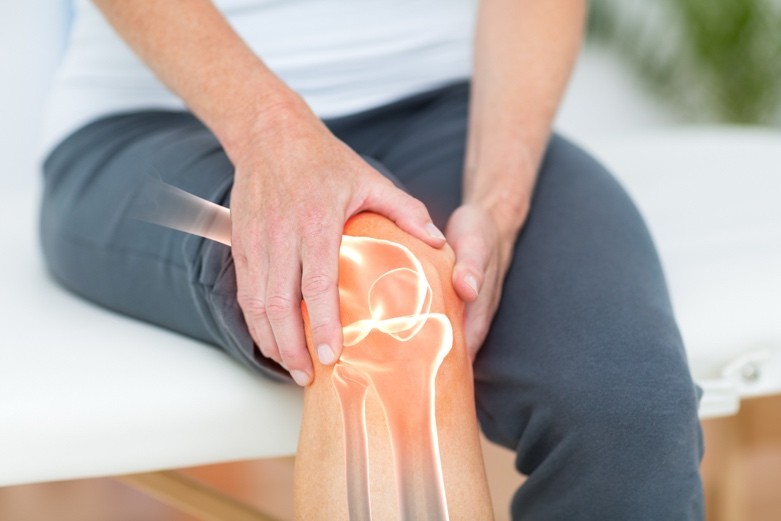
Joint pain is a common musculoskeletal issue for adults of all ages. Whether it develops gradually or appears suddenly after an injury, persistent joint pain should not be ignored. Untreated joint pain can worsen, resulting in reduced mobility, chronic pain, and long-term damage. At Mobility Bone & Joint Institute, we encourage early evaluation and treatment to protect joint health and support an active lifestyle.
Understanding Joint Pain
Joints connect bones and enable smooth, efficient movement. Pain can affect any joint, including the knees, hips, shoulders, elbows, wrists, and ankles. Common causes of joint pain include:
- Arthritis and joint degeneration
- Sports injuries and overuse conditions
- Ligament or tendon damage
- Cartilage tears or deterioration
- Bursitis and inflammation
- Fractures or previous trauma
- Repetitive stress injuries
While some cases get better with rest and conservative care, persistent symptoms often signal an underlying issue that requires expert assessment.
The Risks of Ignoring Joint Pain
Many people delay treatment, hoping the pain will resolve on its own. Unfortunately, postponing care can allow the condition to progress and become more difficult to treat.
Increased Joint Damage
When an injured or inflamed joint is used without proper treatment, additional wear and tear can occur. Conditions such as cartilage damage, meniscus tears, and arthritis may worsen over time and may lead to irreversible joint deterioration.
Reduced Mobility and Flexibility
Persistent joint pain often leads people to limit movement to avoid discomfort. Although this can provide temporary relief, reduced activity can lead to stiffness, muscle weakness, and limited range of motion, rendering daily tasks more difficult.
Chronic Pain Development
Untreated joint problems can progress from occasional discomfort to chronic pain. As the condition advances, pain may become more frequent, severe, and harder to manage, impacting quality of life.
Compensation Injuries
When one joint is painful, the body compensates by placing extra stress on other areas. For example, knee pain can alter walking patterns and lead to problems in the hip, back, or ankles. Early treatment helps prevent these secondary injuries.
Signs It’s Time to See an Orthopaedic Specialist
If joint pain lasts more than a few days or interferes with daily activities, seek medical evaluation. Warning signs include:
- Persistent or worsening pain
- Swelling, redness, or warmth around a joint
- Stiffness that limits movement
- Joint instability or weakness
- Clicking, locking, or catching sensations
- Difficulty walking, climbing stairs, or performing routine activities
- Pain that disrupts sleep
Early diagnosis helps identify the underlying cause and prevent serious complications.
Treatment Options for Joint Pain
At Mobility Bone & Joint Institute, we personalize treatment plans for each patient’s condition, symptoms, and goals. Depending on the diagnosis, treatment may include:
- Physical therapy to improve strength and flexibility
- Anti-inflammatory medications
- Activity modifications and guided exercise programs
- Bracing or supportive devices
- Corticosteroid injections
- Regenerative medicine treatments
- Minimally invasive surgical procedures when necessary
Many joint conditions respond well to conservative treatments when addressed early, commonly allowing patients to avoid more extensive interventions later.
Protect Your Joint Health with Early Care
Ignoring joint pain can cause increased damage, reduced mobility, and a longer recovery. Seeking evaluation at the first signs of persistent discomfort allows for earlier treatment, better outcomes, and a quicker return to your usual activities.
At Mobility Bone & Joint Institute, our experienced orthopaedic specialists are determined to diagnose and treat joint conditions before they worsen. If joint pain affects your daily life, do not wait to seek care. Early treatment is key to protecting joint function, reducing pain, and maintaining long-term mobility.

If you're experiencing tingling, numbness, or weakness in your limbs, it could be a sign of nerve compression. Fortunately, there are effective treatments and therapies available to manage these conditions.

If you're experiencing tingling, numbness, or weakness in your limbs, it could be a sign of nerve compression. Fortunately, there are effective treatments and therapies available to manage these conditions.

If you're experiencing tingling, numbness, or weakness in your limbs, it could be a sign of nerve compression. Fortunately, there are effective treatments and therapies available to manage these conditions.

If you're experiencing tingling, numbness, or weakness in your limbs, it could be a sign of nerve compression. Fortunately, there are effective treatments and therapies available to manage these conditions.