
Share

Hip pain can make simple daily tasks like walking, climbing stairs, getting in and out of a chair, or enjoying hobbies difficult. Whether caused by arthritis, injury, or another orthopaedic condition, timely evaluation and treatment are essential to protecting mobility and quality of life.
At Mobility Bone & Joint Institute, our experienced orthopaedic providers evaluate and treat a wide range of hip conditions, offering conservative treatments and advanced surgical care when needed.
Common Hip Conditions
The hip is a ball-and-socket joint that supports body weight and allows smooth movement. Because it endures significant daily stress, it is vulnerable to various conditions, including:
- Hip osteoarthritis
- Hip bursitis
- Labral tears
- Hip fractures
- Tendon and muscle injuries
- Hip impingement (FAI)
- Avascular necrosis
- Sports-related hip injuries
Signs may include pain in the groin, hip, thigh, or buttock, stiffness, decreased range of motion, limping, or difficulty standing and walking. Early evaluation helps determine the cause and prevent symptom progression.
When Conservative Treatment Is Enough
Many hip conditions can be managed without surgery. Depending on your diagnosis, your provider may recommend:
- Physical therapy to improve strength and flexibility
- Anti-inflammatory medications
- Activity modification
- Weight management strategies
- Corticosteroid injections
- Assistive devices when appropriate
These treatments reduce pain, improve function, and help patients delay or avoid surgery.
When Hip Surgery May Be Recommended
If traditional treatments no longer provide relief, surgery may be the best option to restore mobility and reduce pain. Hip surgery may be recommended for patients experiencing:
- Severe arthritis causing chronic pain
- Significant joint damage
- Hip fractures
- Progressive loss of mobility
- Persistent pain that interferes with daily activities or sleep
Surgical options may include minimally invasive procedures, hip preservation techniques, or total hip replacement. Your orthopaedic specialist will discuss the treatment plan that best fits your needs and lifestyle goals.
Meet the Providers Caring for Hip Patients
Patients seeking evaluation or treatment for hip conditions have access to a team of highly skilled orthopaedic providers at Mobility Bone & Joint Institute. Each offers extensive experience in diagnosing and treating musculoskeletal conditions while working closely with patients to develop personalized treatment plans.
Whether you need a second opinion, non-surgical treatment, or are considering hip replacement surgery, our providers are committed to delivering compassionate, evidence-based care focused on helping you return to the activities you enjoy. Pain is not a normal part of aging. Delaying treatment can allow joint damage to worsen, leading to decreased mobility and more complex treatment in the future.
If you’re experiencing ongoing hip pain, stiffness, or difficulty with daily activities, schedule an evaluation with an orthopaedic specialist. Early diagnosis and treatment improve outcomes, reduce pain, and help you stay active for years.
At Mobility Bone & Joint Institute, our team is focused on providing comprehensive hip care with the latest treatment options and a patient-centered approach. You can feel confident that your hip health is in expert hands.
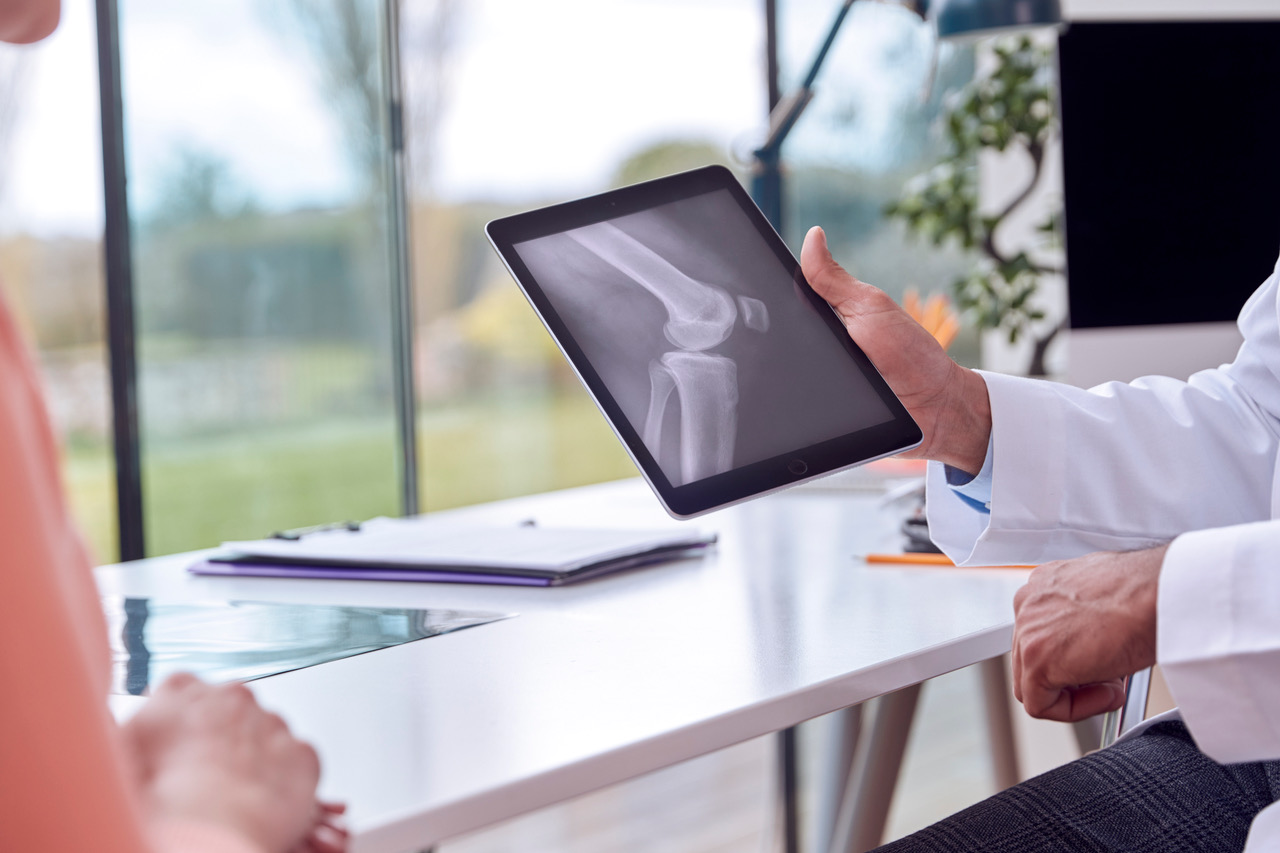
If you're experiencing tingling, numbness, or weakness in your limbs, it could be a sign of nerve compression. Fortunately, there are effective treatments and therapies available to manage these conditions.

If you're experiencing tingling, numbness, or weakness in your limbs, it could be a sign of nerve compression. Fortunately, there are effective treatments and therapies available to manage these conditions.
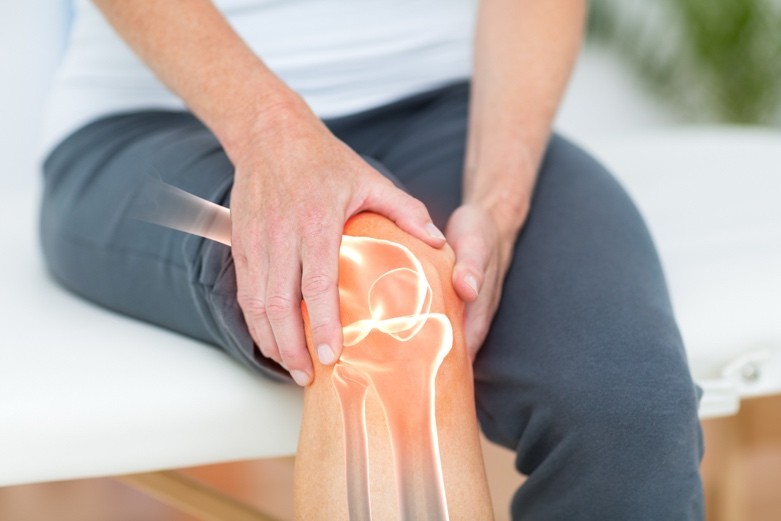
If you're experiencing tingling, numbness, or weakness in your limbs, it could be a sign of nerve compression. Fortunately, there are effective treatments and therapies available to manage these conditions.

If you're experiencing tingling, numbness, or weakness in your limbs, it could be a sign of nerve compression. Fortunately, there are effective treatments and therapies available to manage these conditions.